
The 7 Most Common Causes of Peeling Paint and How to Prevent Them
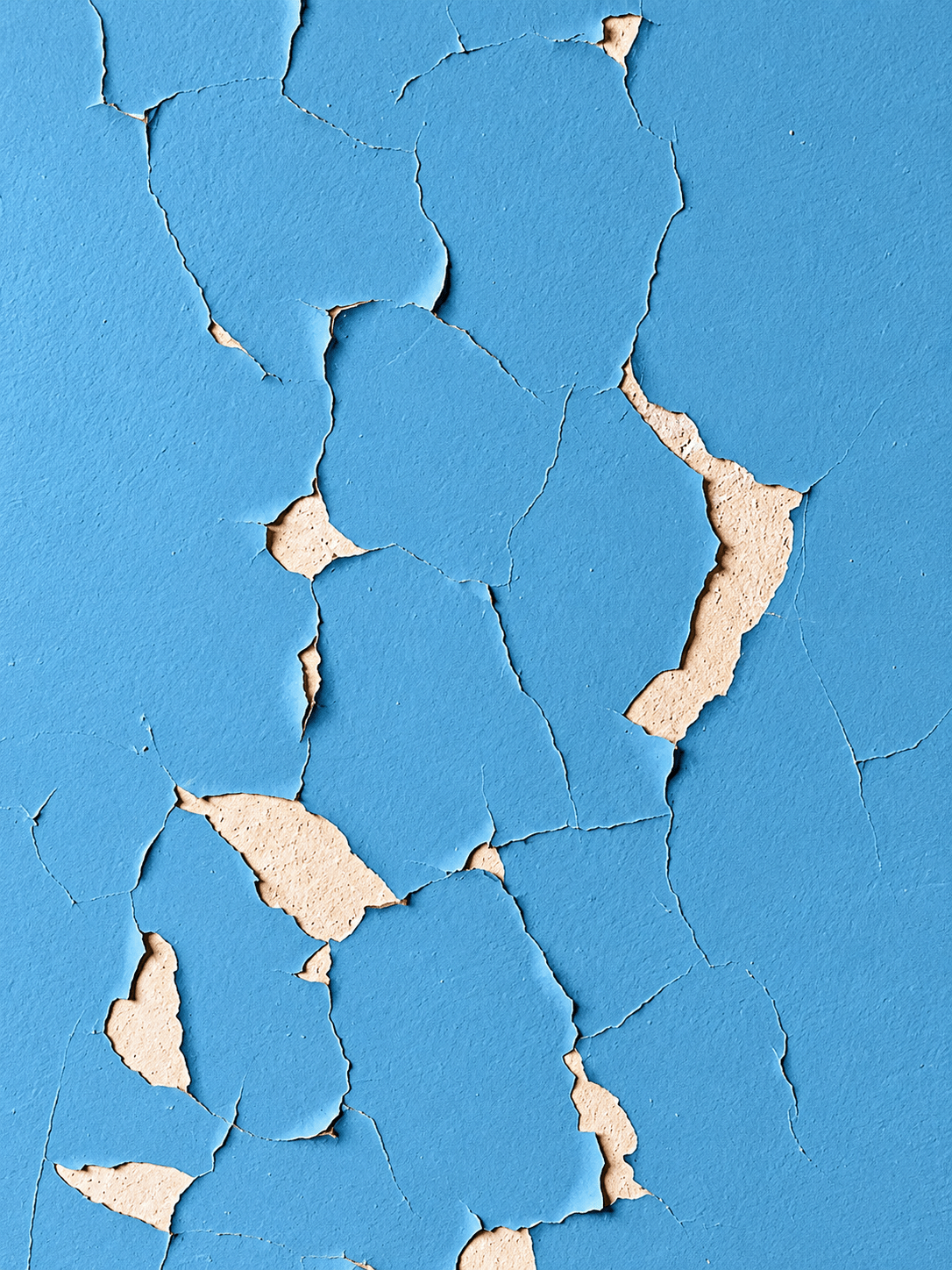
Imagine spending good money to paint your house, only for the paint to start peeling after a few months. Painful, right? You paid for paint and labour, expecting your house to look beautiful for years. Now, you are facing the same expense all over again.
Before buying another bucket of paint, consider this: the problem may not be the paint itself. Moisture, poor surface preparation, the wrong primer or even the weather could be responsible.
In Nigeria, where heavy rainfall and high humidity affect many buildings, these problems are not uncommon. If the underlying cause is not addressed, even expensive paint can fail.
So, what causes paint to peel, and how can you prevent it?
Let's look at seven common reasons.
1. Moisture Trapped in the Wall:
When you paint a damp wall, moisture can weaken the bond between the paint and the surface, causing bubbles, blisters and peeling. Sometimes, the wall looks dry outside while moisture remains trapped inside.
The solution:
Check the wall for dampness before painting. A moisture meter can help detect hidden moisture. If the wall is damp, identify the source and allow it to dry sufficiently before applying paint.
2. Rising Damp from the Ground:
If paint keeps peeling around the bottom of your walls, rising damp could be the cause. Groundwater can travel upwards through masonry, especially when damp-proof protection is missing or damaged. Poor drainage and high external ground levels can make the problem worse.
You may also notice damp patches or white, powdery deposits on the wall.
The solution:
Check the drainage around the building and investigate the damp-proof protection. Depending on the cause, drainage improvements or professional damp-proofing may be necessary. Repainting alone will not solve the problem.
3. Roof Leaks and Leaking Pipes:
A leaking roof, damaged parapet wall, blocked gutter or faulty plumbing can allow water to enter walls and ceilings. Peeling around ceiling edges, window corners or particular sections of a wall may indicate a leak.
The solution:
Identify and repair the source of the leak before repainting. Allow the affected area to dry, repair any damaged plaster and prepare the surface properly before applying fresh paint.
4. Poor Surface Preparation:
Dust, mould, algae, chalky residue and loose old paint prevent new paint from bonding properly. When the underlying dirt or unstable paint separates from the wall, the new coating comes off with it.
The solution:
Remove loose paint, clean dusty surfaces and treat mould or algae appropriately. Allow the wall to dry before applying a suitable primer where necessary. Proper preparation helps the new paint adhere firmly and last longer.
5. Painting Fresh Plaster Too Early:
New cement plaster contains moisture and is highly alkaline. Painting before it has sufficiently cured and dried can lead to poor adhesion, discolouration and peeling.
The solution:
Allow new plaster enough time to cure and dry. Around four weeks is a common general guide, but the actual period depends on the conditions and the plaster itself. Follow the paint manufacturer's recommendations and use a suitable alkali-resistant primer before applying the topcoat.
6. Using the Wrong Primer or Paint:
Not every paint is suitable for every surface. Interior paint used outdoors, for example, may deteriorate quickly under sunlight and rain. Skipping the required primer or excessively thinning paint with water can also affect the finish.
The solution:
Choose products suitable for the surface and its exposure to weather. Use the recommended primer, follow the manufacturer's mixing instructions and apply the paint as directed. The cheapest option is not always the most economical if it needs frequent replacement.
7. Rushing the Work and Ignoring the Weather:
Applying another coat before the previous one has dried properly can affect the finish. Painting during rainfall, on wet walls or under unsuitable humidity and temperature conditions can also lead to adhesion problems.
This is particularly important in Nigeria, where heavy rainfall and humid conditions can affect exterior painting.
The solution:
Plan exterior painting around suitable weather conditions. Ensure the wall is dry enough and allow each coat to dry according to the manufacturer's instructions before applying the next one.
HOW TO PREVENT PAINT FROM PEELING
The key is to identify the cause before repainting. Check for moisture and leaks, prepare the surface properly, use compatible products and allow sufficient curing and drying time. These simple steps can help prevent premature paint failure and reduce unnecessary repainting costs.
Need Professional Painting Services?
At Merlux Painting Services, we focus on proper surface preparation, suitable materials and quality application to deliver beautiful, durable finishes.
Planning to paint or renovate your property? Visit www.merluxpainting.com to learn more about our services.
Merlux Painting Services — We do it once, and we do it right.